Articles

Valves: Allowable Leakage

Allowable Leakage vs. Zero Leakage vs. Bubble Tight

Valve leakage is one of the main issues in industrial processes. Different valve leakage standards are specified by different organizations. Valves go through pressure tests which determine if they provide allowable leakage, zero leakage, or are bubble tight. Allowable leakage: Some valves have an allowable leakage rate. These rates differ depending on what organization sets […]

Allowable Leakage vs. Zero Leakage vs. Bubble Tight Read More »

The Building Blocks of Severe Service Valves (SSVs)

The Building Blocks of Severe Service Valves (SSVs)

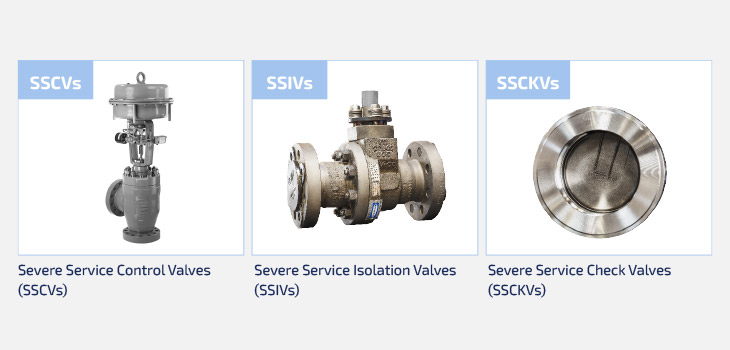
Most of us know when an application is severe. But what is it that makes it severe for a valve? Defining Severe Service Valves (SSVs) objectively is an important tool in attaining improved process control, safety, profitability, and environmental stewardship. SSVs can be defined as industrial valves specifically designed to perform in the most extreme

The Building Blocks of Severe Service Valves (SSVs) Read More »

Valve Standards Organizations

Valve Standards

For consistency amongst manufacturers, valves are designed to meet established standards. These standards are set for valve performance, design, materials, and functionality. This article aims to cover the organizations responsible for establishing standards in valve manufacturing, along with common valve ratings and testing procedures. Valve Standards Organizations Valve standards are created by private entities that

Valve Standards Read More »

Valve Parts

Valve Parts

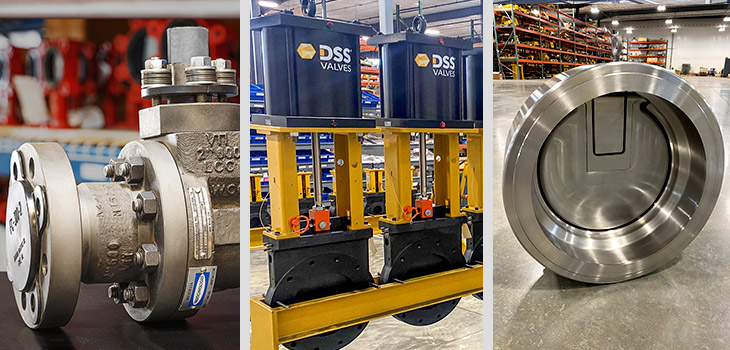
Valves come in all sorts of shapes and sizes. This is also true with the parts that make up these valves. These components can be sorted into 4 main categories, with two of them being subcategories. Non-Pressure Containing Parts Pressure Containing Parts Valve Trim Resilient or Compressible Parts This article will cover each of these

Valve Parts Read More »

Types of Valves

Valve Basics

What is a Valve? A valve is a device that regulates the flow of gases, liquids, or loose materials through an aperture, such as a pipe, by opening, closing, or obstructing a port or passageway. Valves perform different functions to suit their applications. These functions are to isolate, control, and check. Depending on what function

Valve Basics Read More »

Scroll to Top