
Trim material selection is one of the most consequential decisions in control valve selection. Get it wrong, and you face accelerated wear, seat leakage, unplanned shutdowns, and replacement costs that dwarf the original valve price. Get it right, and the valve runs through its intended service life with minimal intervention.
In high-temperature and erosive applications – catalytic cracker slurries, hydrometallurgical letdown, bitumen processing, power plant feedwater, coal gasification – the wrong trim material can fail in weeks. The right one may survive for years. What separates the two is not always obvious from a datasheet.
This article covers the primary trim materials used in demanding service, the engineering factors that govern selection, and the traps that cause engineers to specify incorrectly.
What is Control Valve Trim?
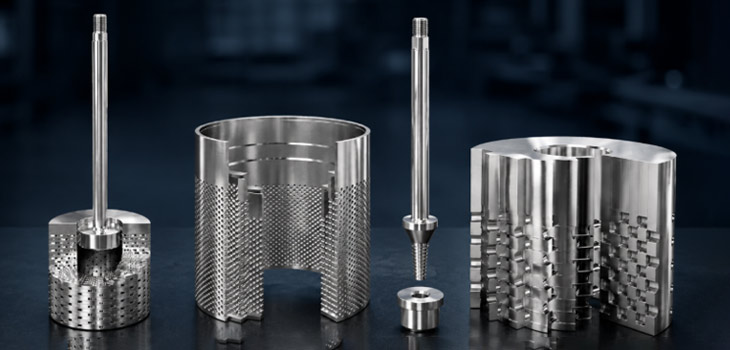
Trim refers to the internal components of a control valve that directly interact with the flowing media. Depending on the valve design, this may include the plug, seat ring, cage, retainer, stem, disc, ball, shaft, and seals.
- Trim affects three major areas:
- How accurately the valve controls flow
- How tightly the valve shuts off
Material selection is only one part of trim design. Geometry, flow direction, pressure recovery, velocity control, and maintenance access also matter. A hard material, if incorrectly selected, can still fail early.
Why High Temperature Changes Trim Selection
As service temperature rises, soft sealing materials such as PTFE, elastomers, and polymer inserts begin to lose mechanical stability. They may deform, extrude, or lose sealing force when used beyond their rated temperature range. In many high-temperature applications, this moves the selection toward metal-to-metal seating, where surface finish, hardness, and thermal compatibility become more important.
Higher temperatures also increase the risk of galling. When metallic surfaces slide under load, especially at interfaces such as the plug, seat ring, stem, or guide surfaces, similar materials can wear or seize more easily. Hardfacing, dissimilar material selection, or hardened trim surfaces are often used to reduce this risk.
For steam, boiler feedwater, thermal oil, and high-temperature gas service, the trim material must retain its mechanical properties at operating temperature. Hardness values for overlays are often measured at ambient conditions, so they should be reviewed against the actual service temperature, pressure drop, and cycling conditions.
How Erosive Service Damages Trim
Erosion occurs when particles, droplets, or high-velocity flow progressively remove material from trim surfaces. It usually concentrates at the throttling restriction – the gap between the plug and seat where pressure drops and velocity peaks. A valve operating partially open in erosive service focuses all that energy on a small exposed area for extended periods.
Common failure signs include loss of shutoff, washed-out seat faces, seat leakage, and unstable control at low lift. The problem is rarely material alone. Oversized trim, excessive single-stage pressure drop, high particle velocity, and an unsuitable valve style can all accelerate damage, regardless of hardness.
Common Trim Materials for Severe Service
Different materials solve different problems. No single trim material is best for every high-temperature or erosive application.
The following comparison provides a general starting point, but final selection should always be confirmed against the actual process conditions.
| TRIM MATERIAL | WHERE IT FITS | KEY LIMITATIONS |
|---|---|---|
| 316 Stainless Steel | General Service, Clean fluids, moderate temperature | Insufficient hardness for erosive, cavitating, or high-velocity service |
| 400 Series Stainless Steel (Heat Treated) | Steam, moderate erosion, high pressure drop | Corrosion resistance must be verified |
| Stellite 6 (hardfacing) | Steam, galling resistance, high pressure drop on clean fluids | Less effective against hard abrasive particles |
| Tungsten Carbide | Severe abrasion, sand, slurry, high-velocity particles | Acid resistance and thermal shock resistance must be verified; brittle compared with metallic trim |
| Chromium Carbide | High-temperature erosive gas or liquid service | Coating method and base material compatibility matter |
| Inconel / Nickel Alloys | High temperature, sour service, corrosive media | Higher cost and longer lead time |
| Ceramic (SiC) | Severe combined abrasion and chemical attack | Brittle; thermal shock risk must be assessed |
The right selection often combines materials, such as a corrosion-resistant base material with hardfaced or coated wear surfaces.
Hardened Trim and Hardfacing: What to Verify
Hardened trim is the standard response when standard stainless steel cannot resist wear. This covers both solid hardened components and hardfacing applied to wear-prone surfaces such as the seat bore, plug contour, or ball surface.
Stellite 6 (cobalt-chromium-tungsten, approximately HRC 36 to 45) is the established hardfacing alloy for steam service, high-pressure drop, and galling-prone applications. It is a reliable baseline where abrasive particle loading is low to moderate.
For severe abrasion involving sand, catalyst fines, or mineral slurries, tungsten carbide (approximately HRC 65 to 85) is often the next level of protection. It typically provides substantially greater wear resistance than cobalt-based hardfacing in true abrasive service.
What many specifications miss is that the hardfacing process determines whether the material performs as expected. Weld overlay, HVOF thermal spray, plasma spray, and laser cladding produce different coating densities, bond strengths, and heat-affected zones. A porous or poorly bonded coating in severe service may fail faster than a well-specified softer alternative. Coating thickness, porosity, and compatibility with the base material should all be confirmed – not assumed. Thermal spray is commonly used in some applications, but it performs differently from weld overlay and should not be treated as equivalent.
Material Selection Must Match Valve Design
Applications Where Trim Selection Becomes Critical
Mining and Mineral Processing
Slurry, scale, acidic leach solutions, and abrasive solids can destroy standard trim. Carbide, hardfaced metal, or specialty alloys may be needed depending on particle size, pH, solids concentration, and pressure drop.
Power and Steam Systems
Superheated steam, boiler feedwater, soot blower lines, and turbine bypass systems often combine high temperature, high pressure drop, noise, and erosion. Metal trim, hardfacing, graphite packing, and staged pressure reduction are commonly evaluated.
Oil, Gas, and Hydrocarbon Processing
Sand in production, sour service, flashing hydrocarbons, and high-velocity gas can damage trim and seals. Material selection must consider erosion, corrosion, NACE requirements, shutoff class, and temperature.
Pulp and Paper
Fibrous media, black liquor, scaling, and erosive flow require trim that resists plugging and wear. Valve geometry and flow path are often as important as material hardness.
Practical Selection Checklist
Before selecting trim material, engineers should confirm:
- Fluid composition and corrosion data
- Normal and maximum temperature
- Pressure drop across the valve
- Flow rate at minimum, normal, and maximum conditions
- Concentration, size and hardness of solids
- Flashing or cavitation risk
- Required leakage class
- Cycling frequency
- Maintenance access
- Packing, gasket, and seal temperature limits
- Applicable standards such as ASME B16.34, ISA/IEC 60534, ANSI/FCI 70-2, API 598, or NACE MR0175/ISO 15156 where relevant
This information should be reviewed before the valve is purchased, not after the first failure.